
Children with sensory needs often thrive in natural environments. Outdoor activities provide sensory regulation while encouraging communication through play. Here are some nature-inspired speech therapy ideas to support language development!
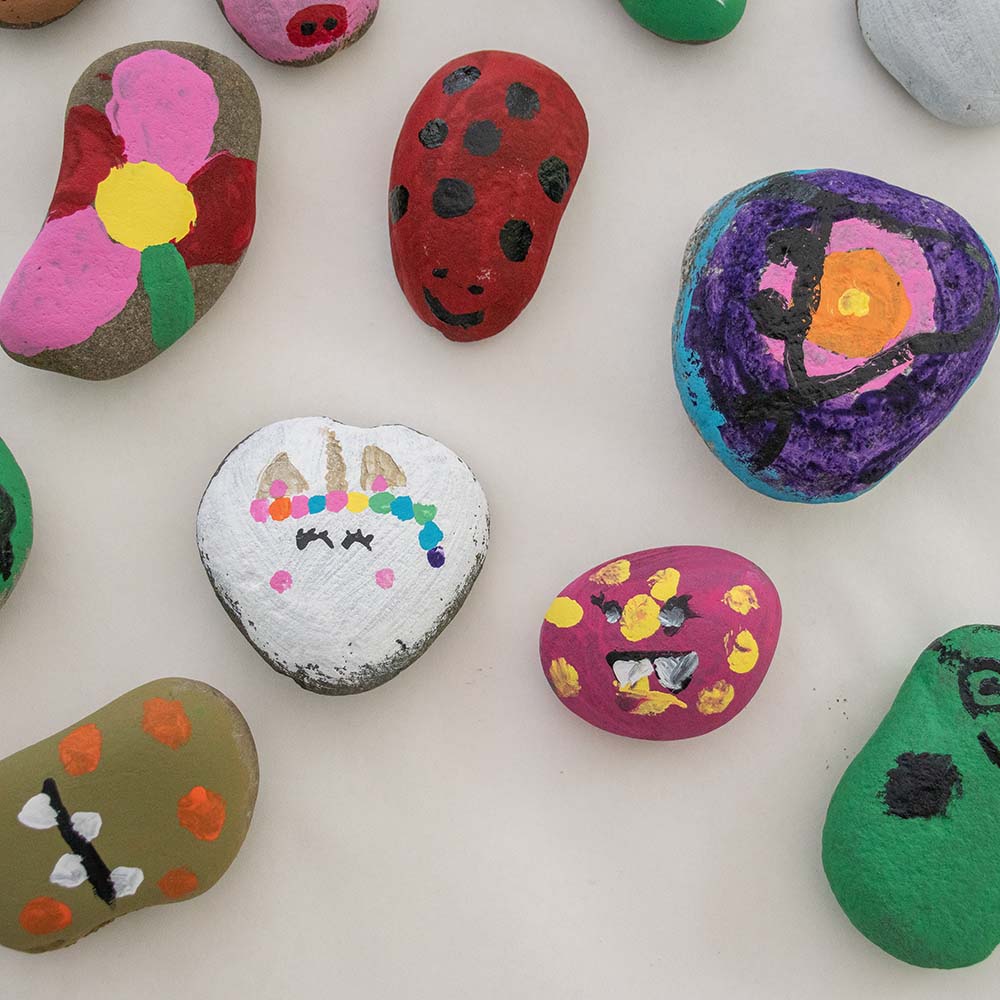
1. Rock Painting for Expressive Language
Let your child paint rocks with different colors and shapes, then use them for storytelling.
How to Incorporate Speech & Language:
- Choice-Making: “Do you want blue or red?”
- Describing Colors & Shapes: “The rock is round and bumpy.”
- Storytelling: “The blue rock is a fish in the ocean!”
2. Sensory Walk for Word Association
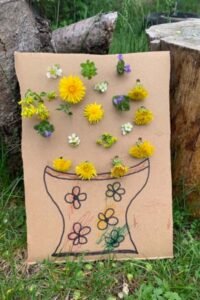
Take a walk and explore textures (mud, grass, leaves, bark).
How to Incorporate Speech & Language:
- Tactile Words: “The tree bark is rough.” “The leaf is smooth.”
- Comparisons: “This rock is heavier than that one.”
- AAC Support: Pre-program sensory words into an AAC device.
3. Outdoor Obstacle Course for Following Directions
Set up an obstacle course with cones, tunnels, and stepping stones.
How to Incorporate Speech & Language:
- Giving 1-2 Step Directions: “Jump over the rock, then touch the tree!”
- Action Verbs: “Run, jump, climb, spin!”
- Turn-Taking: “Your turn, my turn!”
📚 Recommended Resources:
- Tomchek, S. D., & Dunn, W. (2019). Sensory Processing in Children with Autism Spectrum Disorders. American Journal of Occupational Therapy.
- Wetherby, A., & Prizant, B. (2021). The SCERTS Model: A Comprehensive Educational Approach for Children with Autism Spectrum Disorders. Brookes Publishing.
- STAR Institute for Sensory Processing. sensoryhealth.org
Quality ABA Therapy in New Jersey, Now servicing; Cherry Hill, Voorhees, Camden, Mount Laurel, Gloucester, Deptford, Burlington, Marlton and throughout Burlington, Hudson, Middlesex, Union, Camden and Gloucester Counties. We’re currently enrolling! Contact us to learn more and to get started.