
What Does It Mean to Be Neurodiversity-Affirming?
Being neurodiversity-affirming means supporting individuals in a way that honors their strengths, needs, and ways of experiencing the world—rather than trying to make them fit into a neurotypical mold. It shifts the focus from changing the child to changing the environment and supports to help them thrive.
Key Principles of Neurodiversity-Affirming Care
✅ Respecting Communication Differences – Every child communicates in their own way. This means valuing all forms of communication, whether spoken language, sign language, AAC (Augmentative and Alternative Communication), gestures, or scripting.
✅ Embracing Stimming – Stimming (repetitive movements or vocalizations) is a natural way for neurodivergent individuals to self-regulate. Instead of stopping stims, neurodiversity-affirming care recognizes their purpose and ensures they are only redirected if harmful.
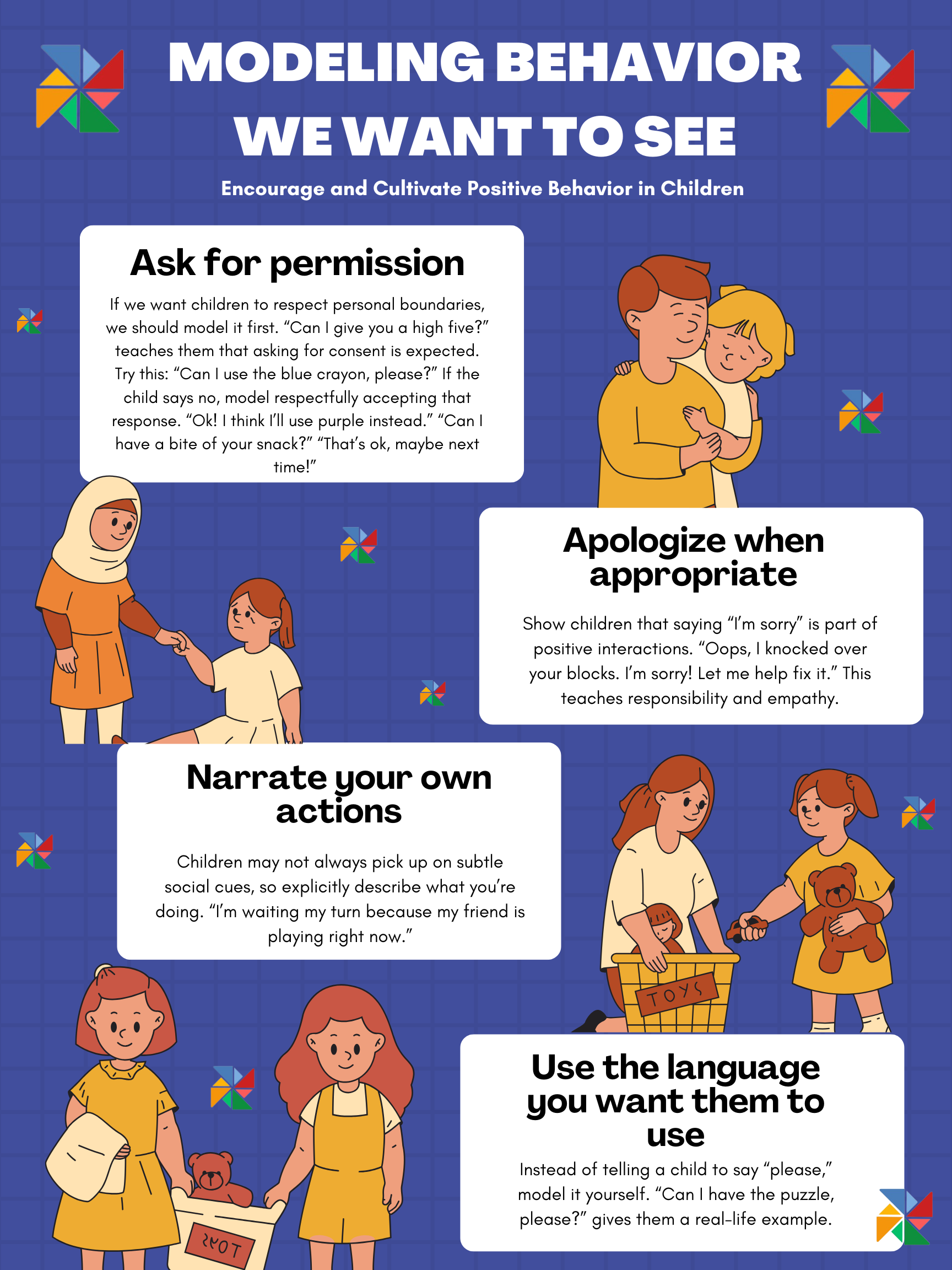
✅ Supporting Autonomy and Consent – Children should have a say in their own care. This includes giving choices, respecting their “no,” and teaching self-advocacy skills.
✅ Strength-Based Approaches – Instead of focusing on “fixing” perceived deficits, neurodiversity-affirming care highlights strengths and interests as a foundation for learning and development.
✅ Creating Sensory-Friendly Environments – Recognizing sensory sensitivities and making accommodations (like dim lighting, noise reduction, or movement breaks) to support comfort and regulation.
✅ Shifting from Compliance to Cooperation – Prioritizing collaborative, relationship-based approaches instead of traditional compliance-based methods. The goal is connection, not control.
Why It Matters
When children receive neurodiversity-affirming support, they feel seen, heard, and valued for who they are. This approach fosters self-confidence, emotional well-being, and genuine skill-building in a way that respects their identity.
By embracing neurodiversity, we create a world where all children can thrive, not in spite of their differences, but because of them.