
Using First/Then Statements to Support Young Children
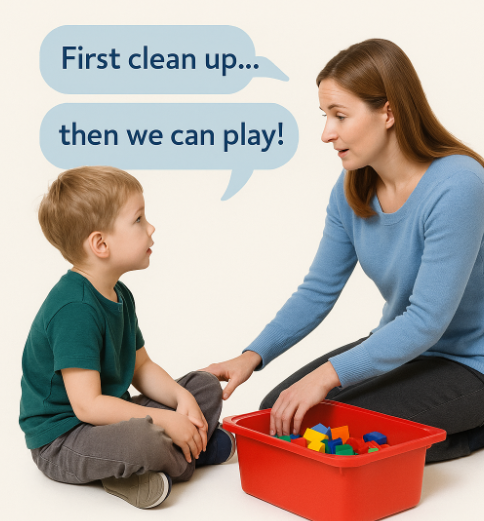
Using First/Then Statements to Support Young Children First/then statements are a simple yet powerful tool for helping children—especially those who are neurodivergent—understand expectations, transition between tasks, and build independence. By clearly stating what will happen first and what will follow then, caregivers can reduce anxiety, encourage cooperation, and increase a child’s sense of predictability. Why […]
What Does It Mean to Be Neurodiversity-Affirming?
What Does It Mean to Be Neurodiversity-Affirming? Being neurodiversity-affirming means supporting individuals in a way that honors their strengths, needs, and ways of experiencing the world—rather than trying to make them fit into a neurotypical mold. It shifts the focus from changing the child to changing the environment and supports to help them thrive. Key […]
Modeling the Behavior You Want to See: Teaching Through Example
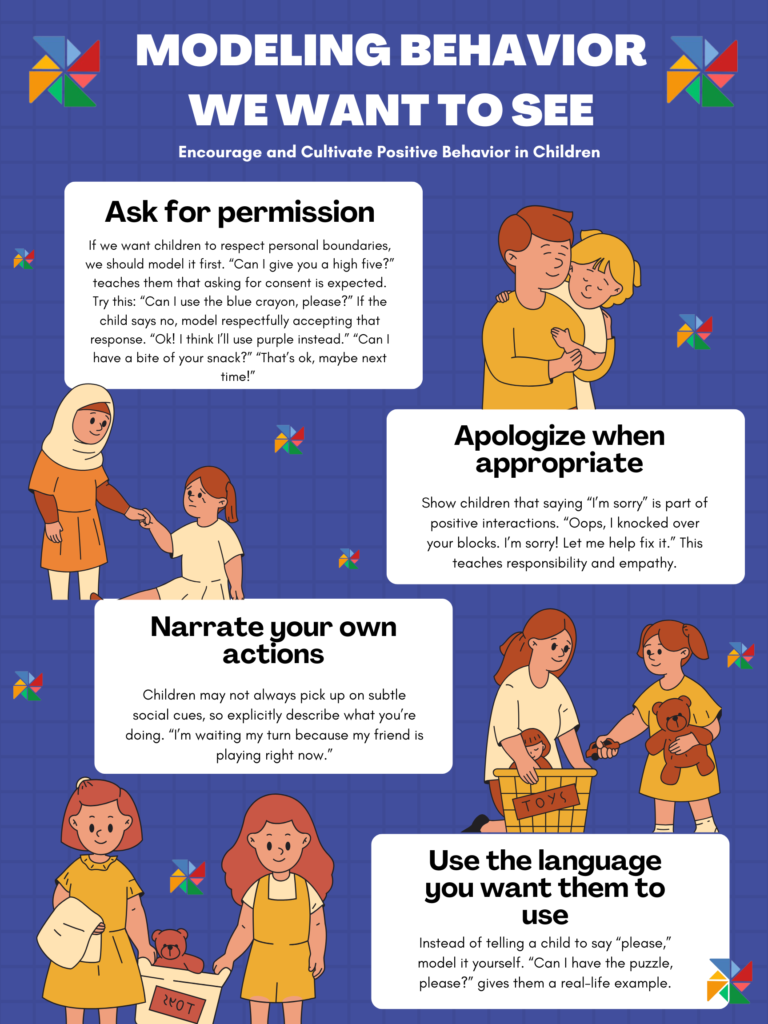
Modeling the Behavior You Want to See: Teaching Through Example Children learn best by watching the people around them. In Applied Behavior Analysis (ABA), modeling is a powerful strategy to teach new skills, increase appropriate behaviors, and encourage social interactions—especially for young children with autism. If we want children to use kind words, ask for […]
Boosting Language Skills with Intraverbals
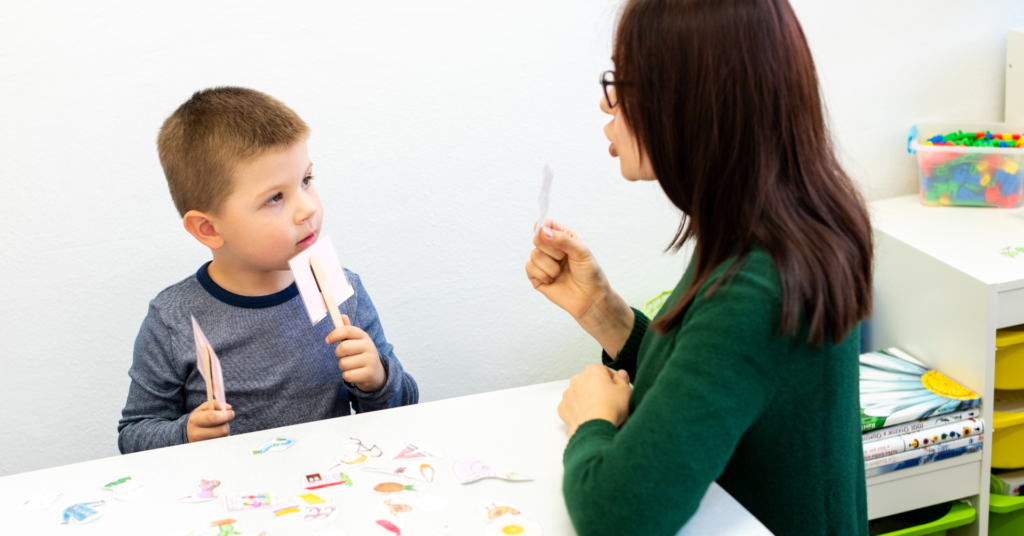
Helping children develop their verbal skills can feel overwhelming, but one effective and natural way to encourage language is by using intraverbals. In Applied Behavior Analysis (ABA), intraverbals are the back-and-forth exchanges in conversation—like answering questions, filling in blanks, or making associations. These skills help children engage in social interactions and expand their verbal abilities. […]
The Power of Choices: A Simple Strategy to Increase Cooperation
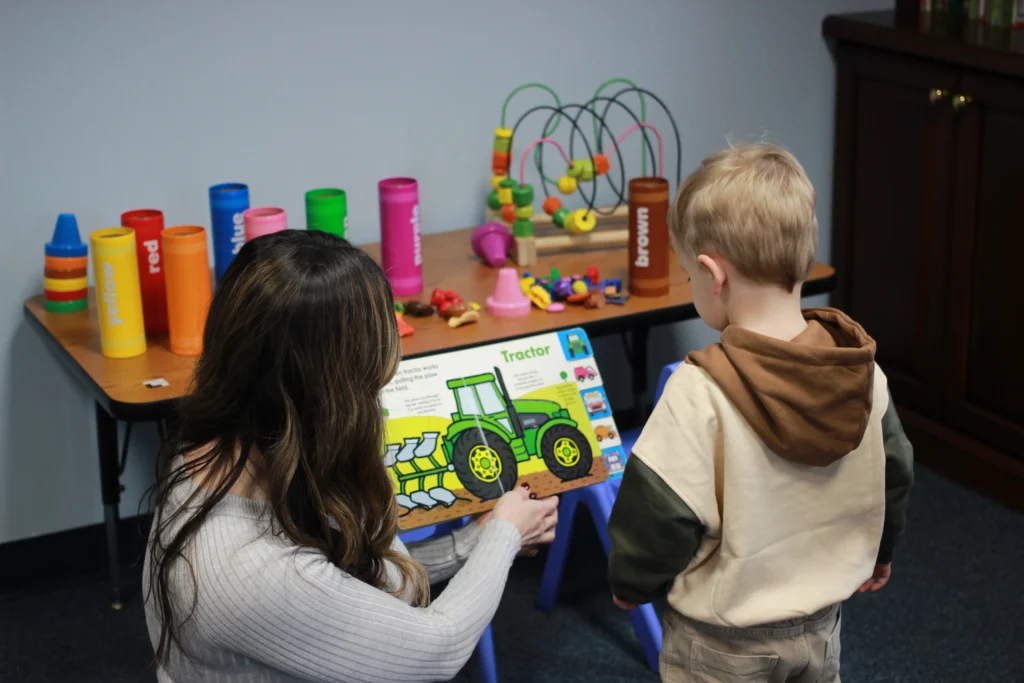
Getting kids to follow directions can sometimes feel like a battle. But what if there was a simple way to reduce resistance while still encouraging cooperation? The answer lies in offering choices—a powerful strategy that gives children a sense of control while still keeping them within desired boundaries. Why Choices Work Kids, like adults, want […]
Spring-Themed Resources for Speech and Language Development

The Spring months offer the perfect opportunity to refresh and rejuvenate our speech and language skills. The weather is getting warmer and the winter blues start to go away as we get out of the house and into the fresh air of the sun. Whether you’re a parent, teacher, or caregiver, this season can be […]
Expanding Vocabulary Through Outdoor Exploration
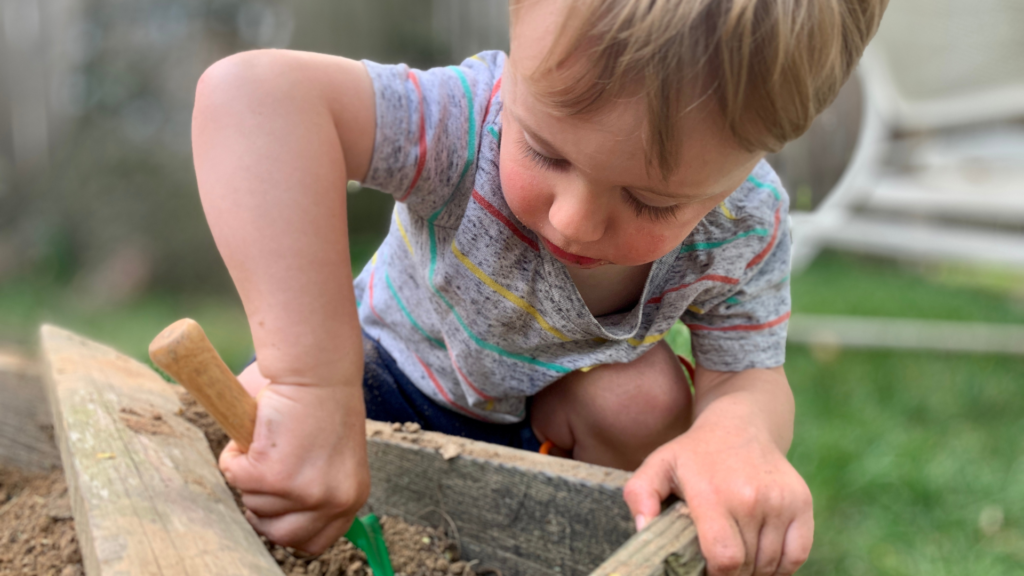
Outdoor play provides endless opportunities to build vocabulary. Whether exploring a park, backyard, or nature trail, here are some fun ways to introduce new words in a meaningful way! 1. Nature Collection for Categorization & Descriptive Words Gather items like leaves, flowers, sticks, and rocks. Sort them by type, size, or color. How to Incorporate […]
Spring Into Speech: Fun Seasonal Language Activities
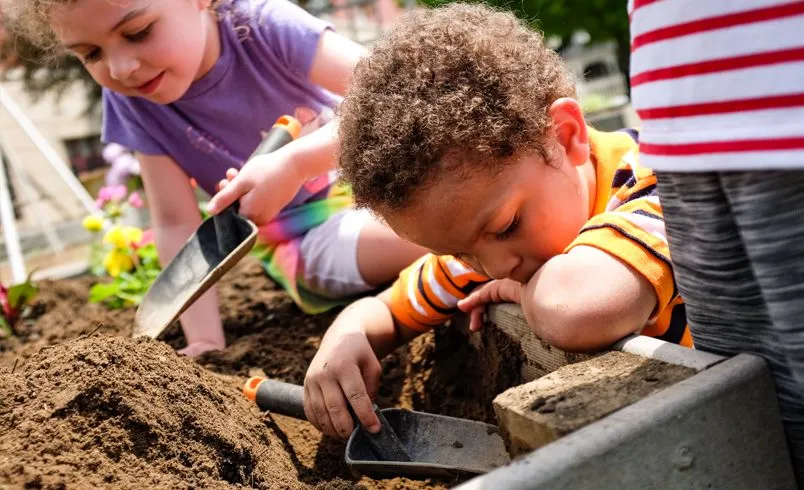
Spring is the perfect time to incorporate engaging, language-rich activities into your child’s daily routine! With warmer weather and blooming flowers, families can take advantage of outdoor opportunities to support communication development. Whether your child is verbal, nonverbal, or uses an AAC device, these fun, seasonal speech activities will help boost their language skills. 1. […]
Nature-Inspired Speech Therapy: Ideas for Sensory Learners

Children with sensory needs often thrive in natural environments. Outdoor activities provide sensory regulation while encouraging communication through play. Here are some nature-inspired speech therapy ideas to support language development! 1. Rock Painting for Expressive Language Let your child paint rocks with different colors and shapes, then use them for storytelling. How to Incorporate Speech […]
Teaching Empathy and Emotions Through Play

Teaching empathy and emotional understanding is crucial for children with autism, as they often face challenges in recognizing and expressing emotions. Play-based strategies can be an effective way to develop these skills in a natural, engaging, and meaningful way. In this article, we explore evidence-based speech therapy strategies to encourage emotional development and social connections. […]